What Is Pink Tourmaline?
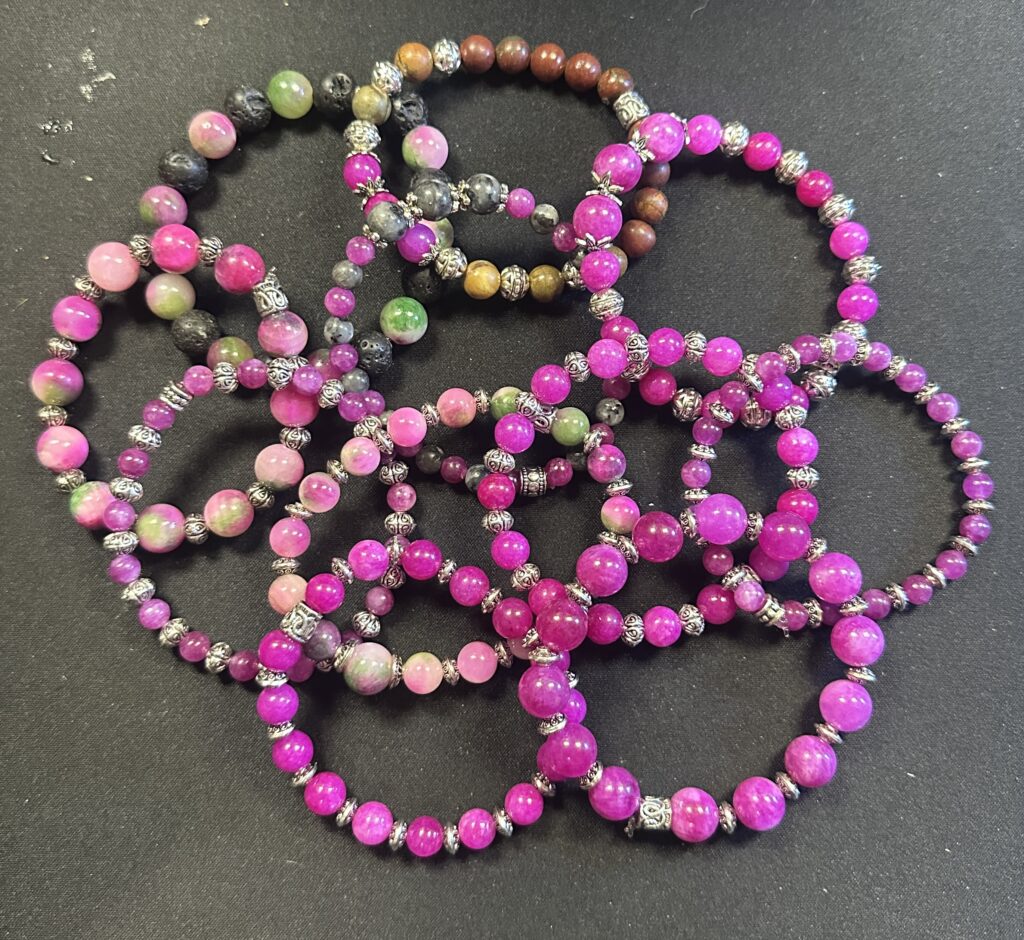
Pink tourmaline is a member of the tourmaline mineral family — a complex borosilicate mineral that forms in elongated crystals under high heat and pressure. Its pink color comes primarily from manganese within the crystal structure.
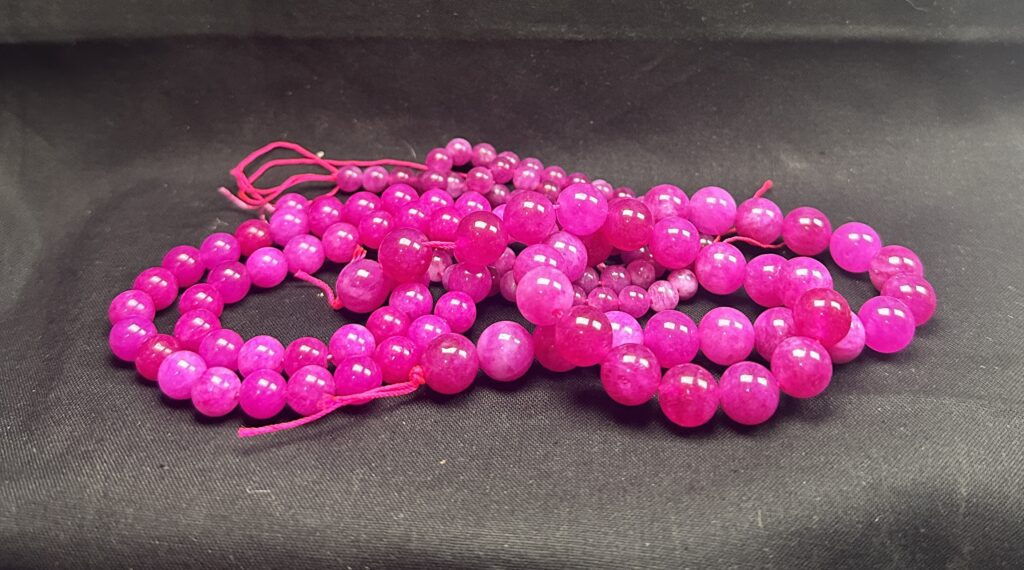
Hardness: 7–7.5 on the Mohs scale
Durability: Excellent for bracelets and daily wear
Sources: Brazil, Afghanistan, Mozambique, Madagascar, Nigeria, and parts of the United States
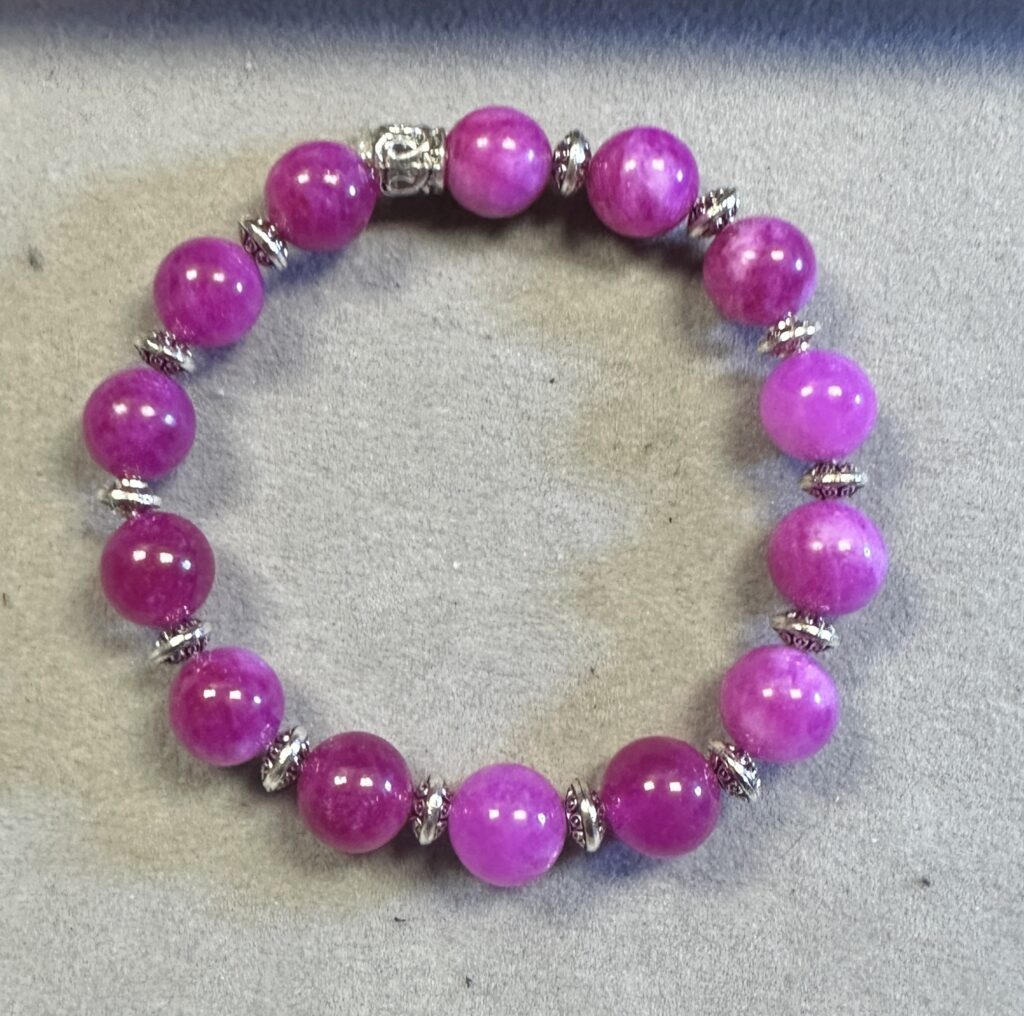
Because of its strength and polish quality, pink tourmaline is widely used in both fine jewelry and artisan bead work.
When you wear it in bead form, you’re wearing a stone that is structurally sound and capable of lasting for years.
A Brief Historical Note
Pink tourmaline gained major popularity in the late 1800s when Empress Dowager Cixi of China developed a fondness for the stone. Large quantities were imported from California during that time.
Since then, it has remained a favored gemstone in both Victorian and modern jewelry design.
It carries history — not hype.
Why I Use It in My Designs
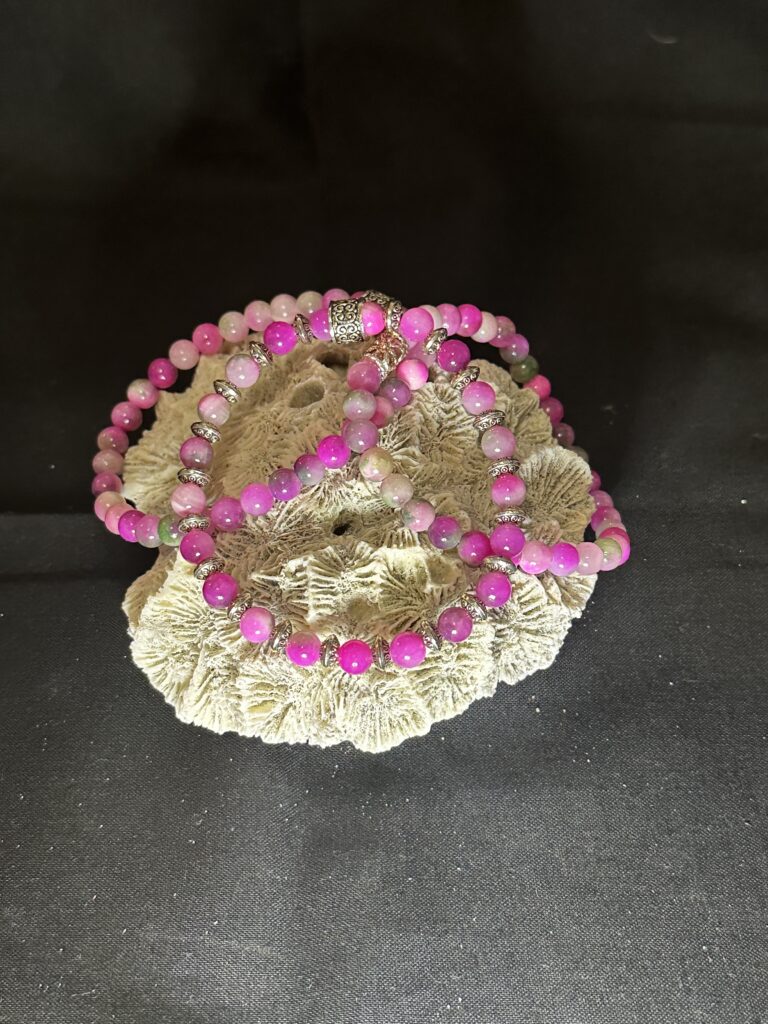
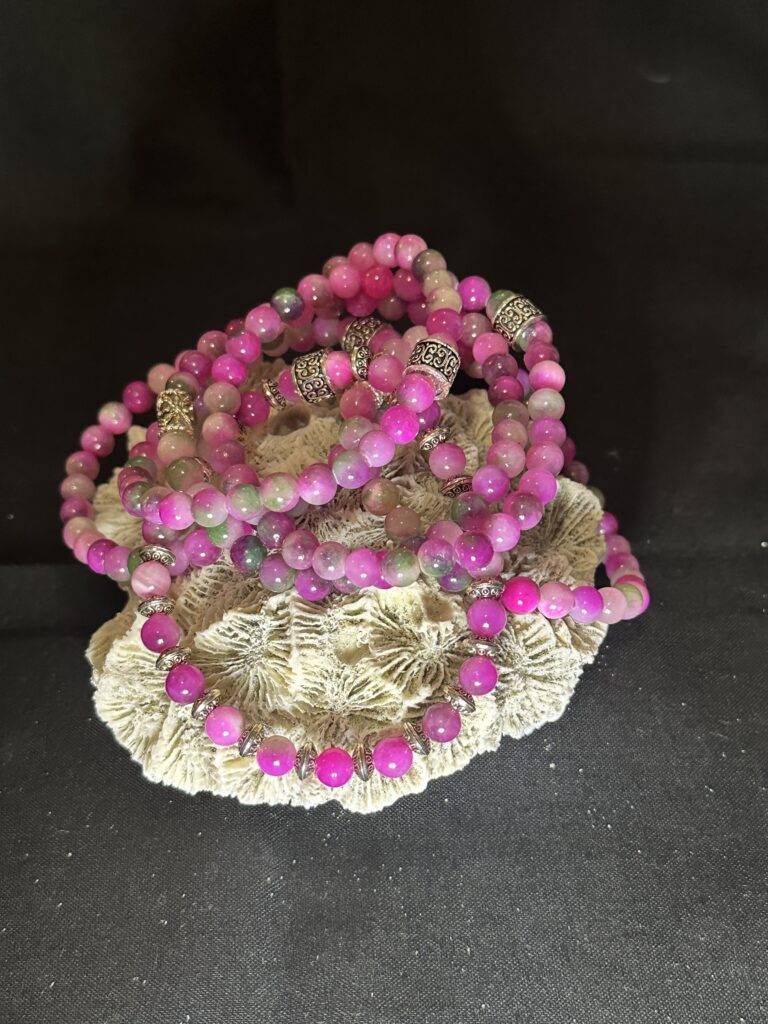
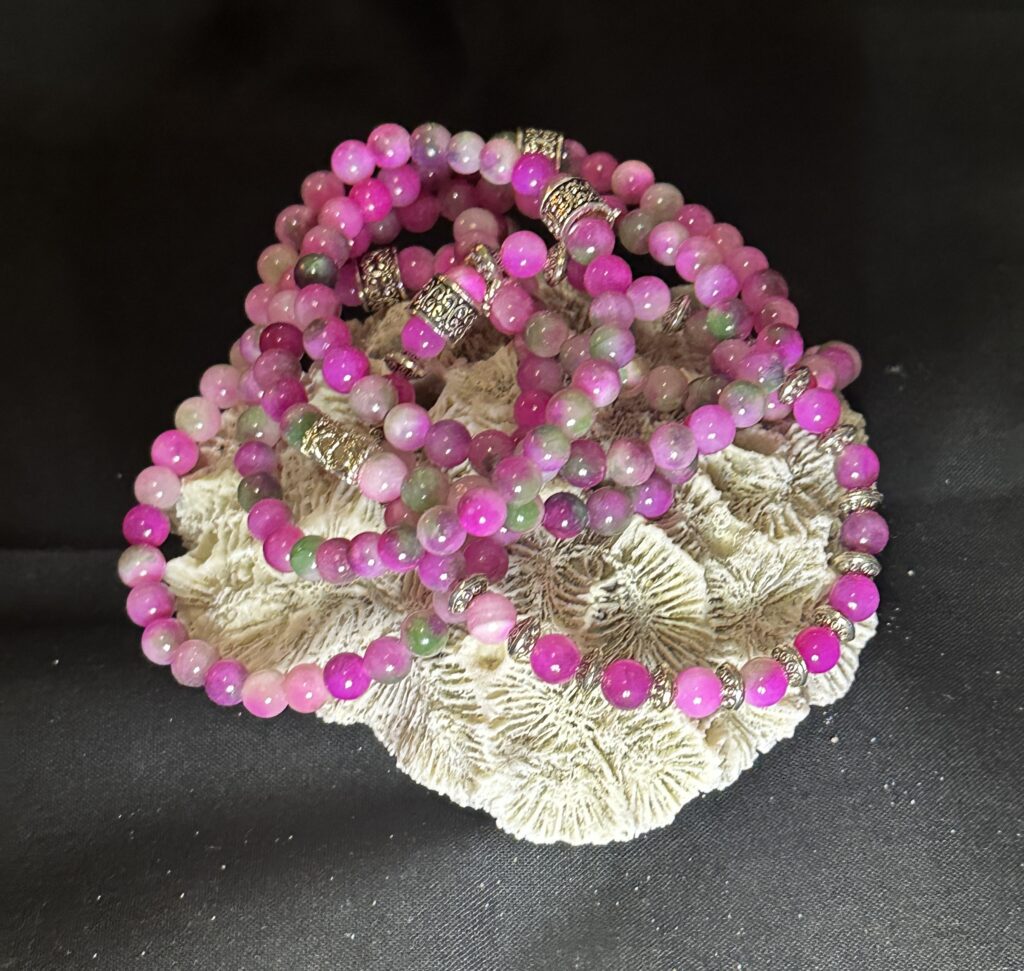
As I’ve built my collection of stones, I’ve experimented with many materials — metals, glass, dyed stones, high-contrast jaspers, lava rock, and more.
Pink tourmaline feels different.
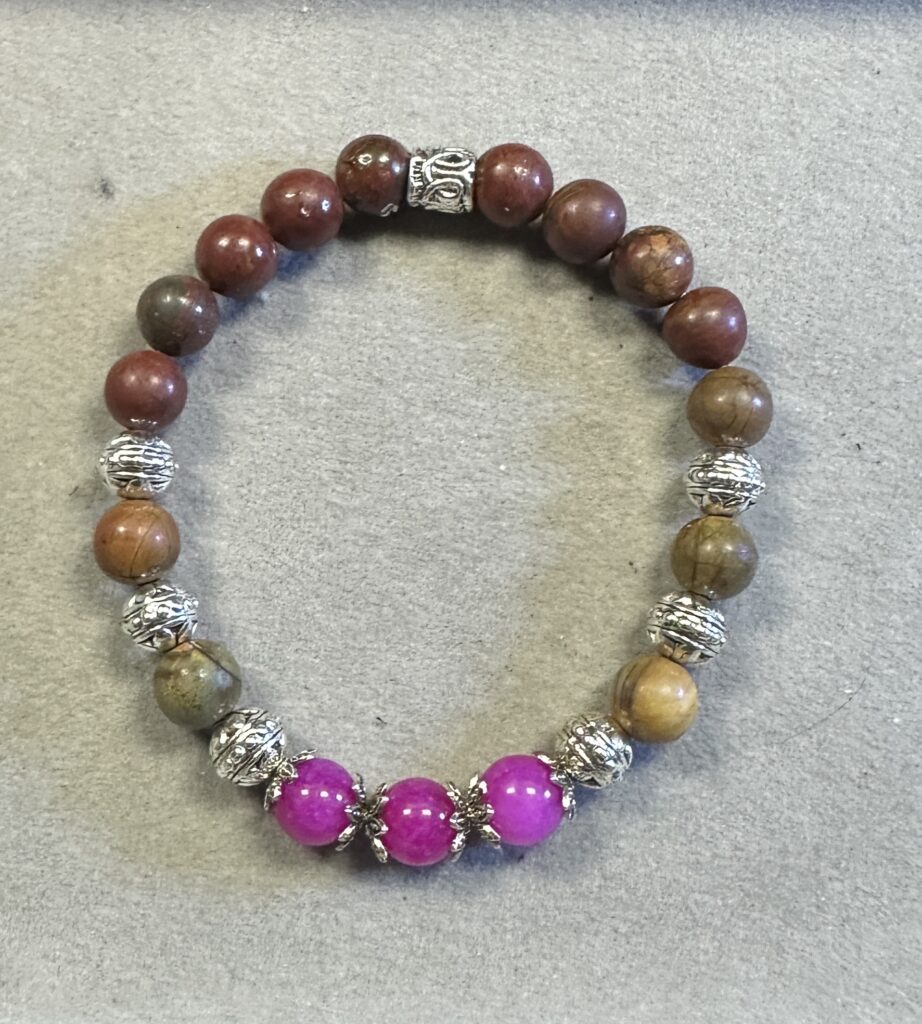
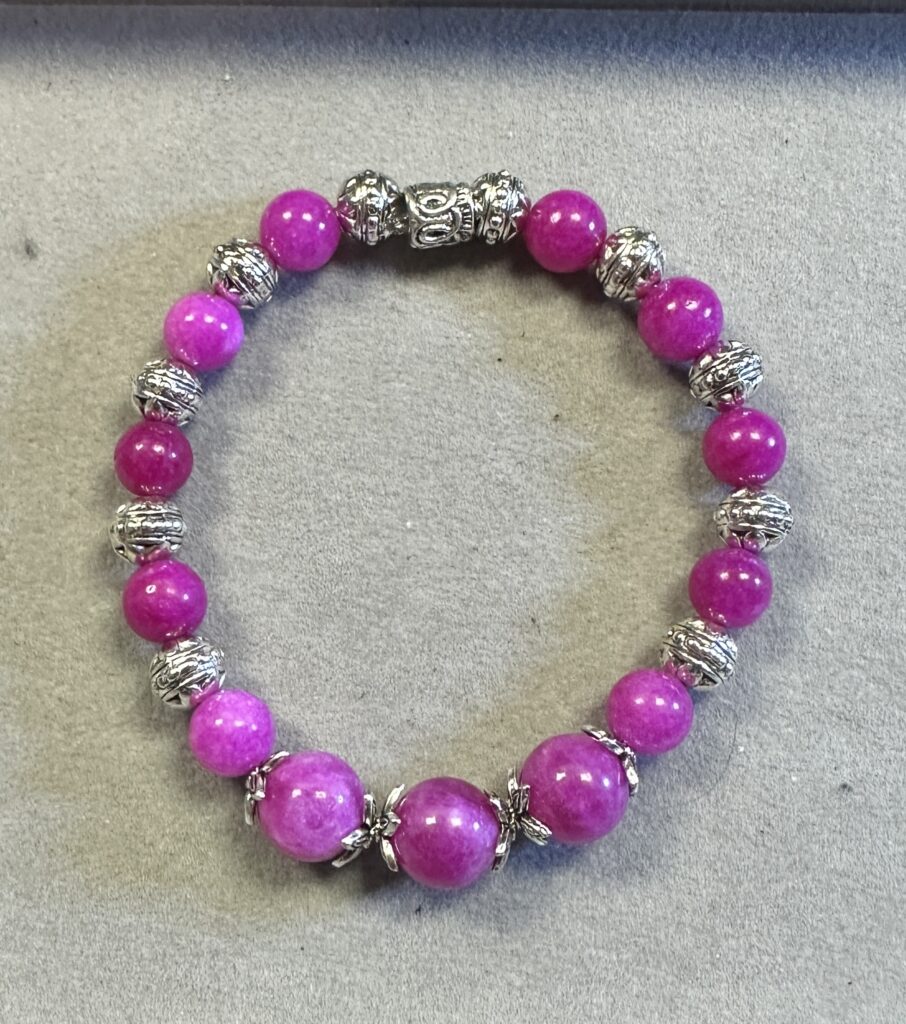
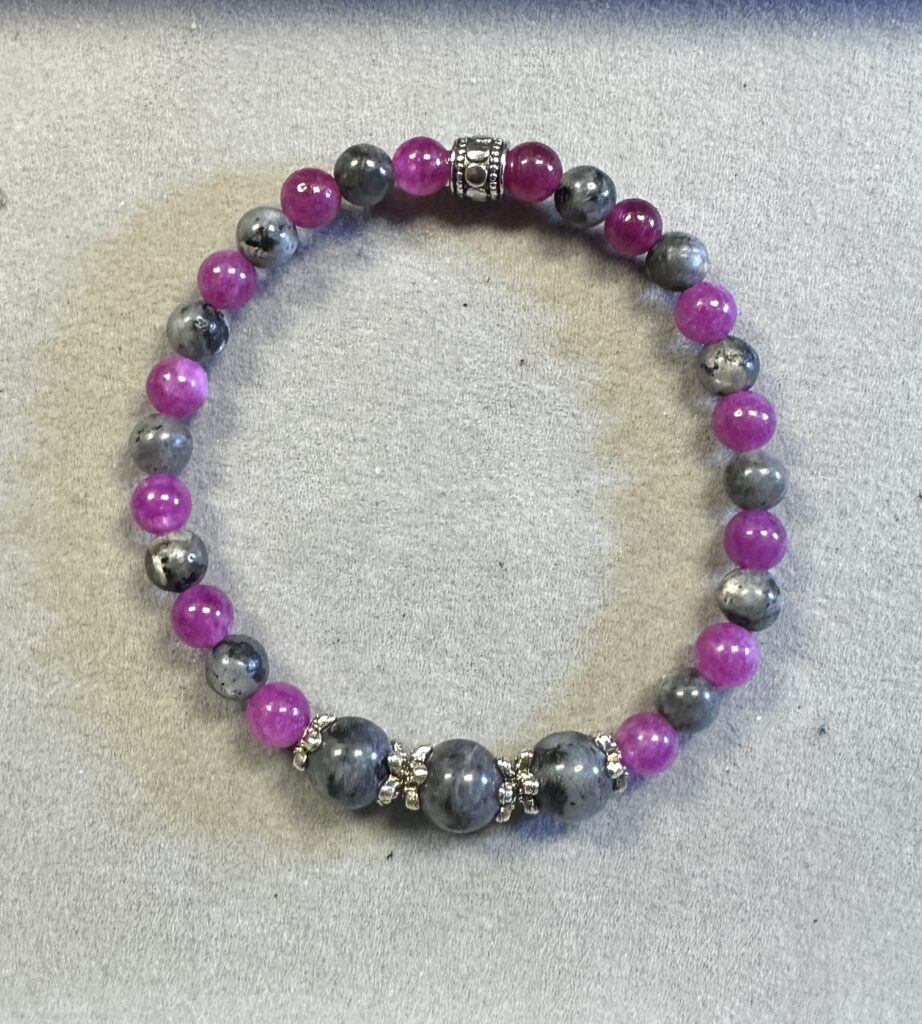
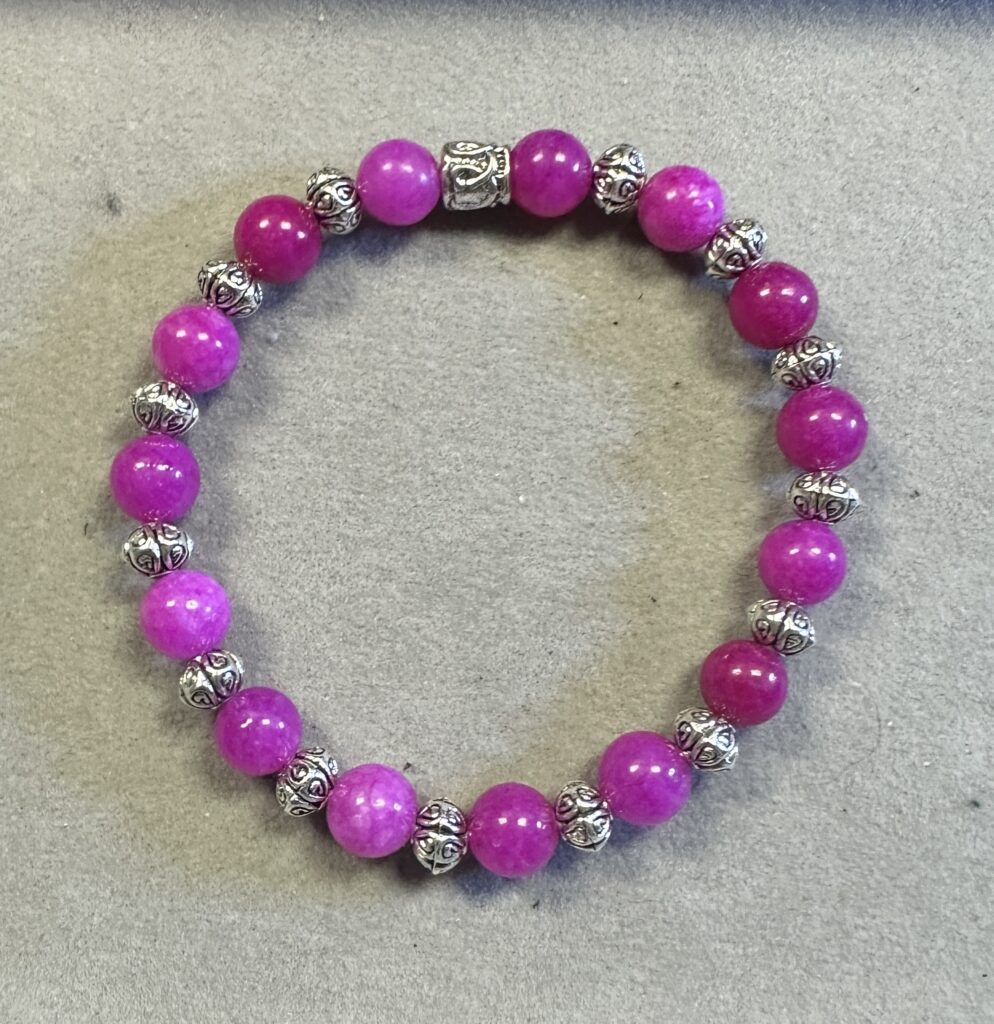
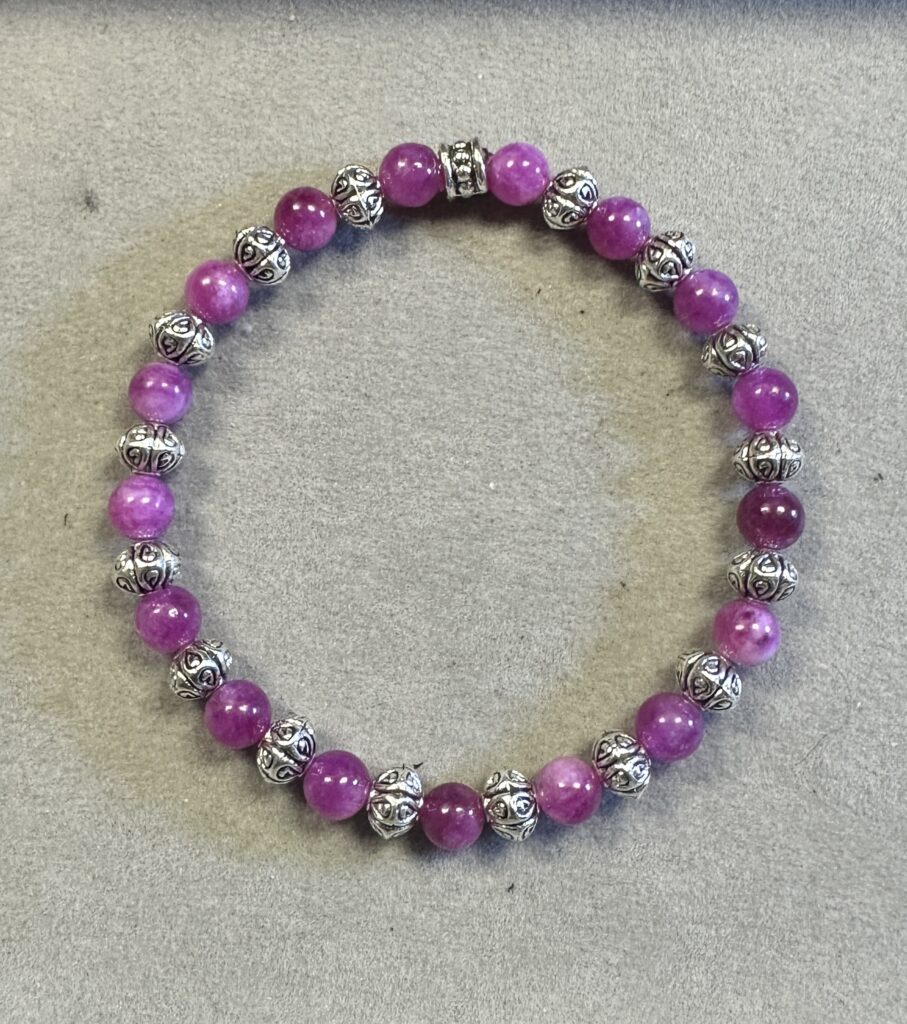
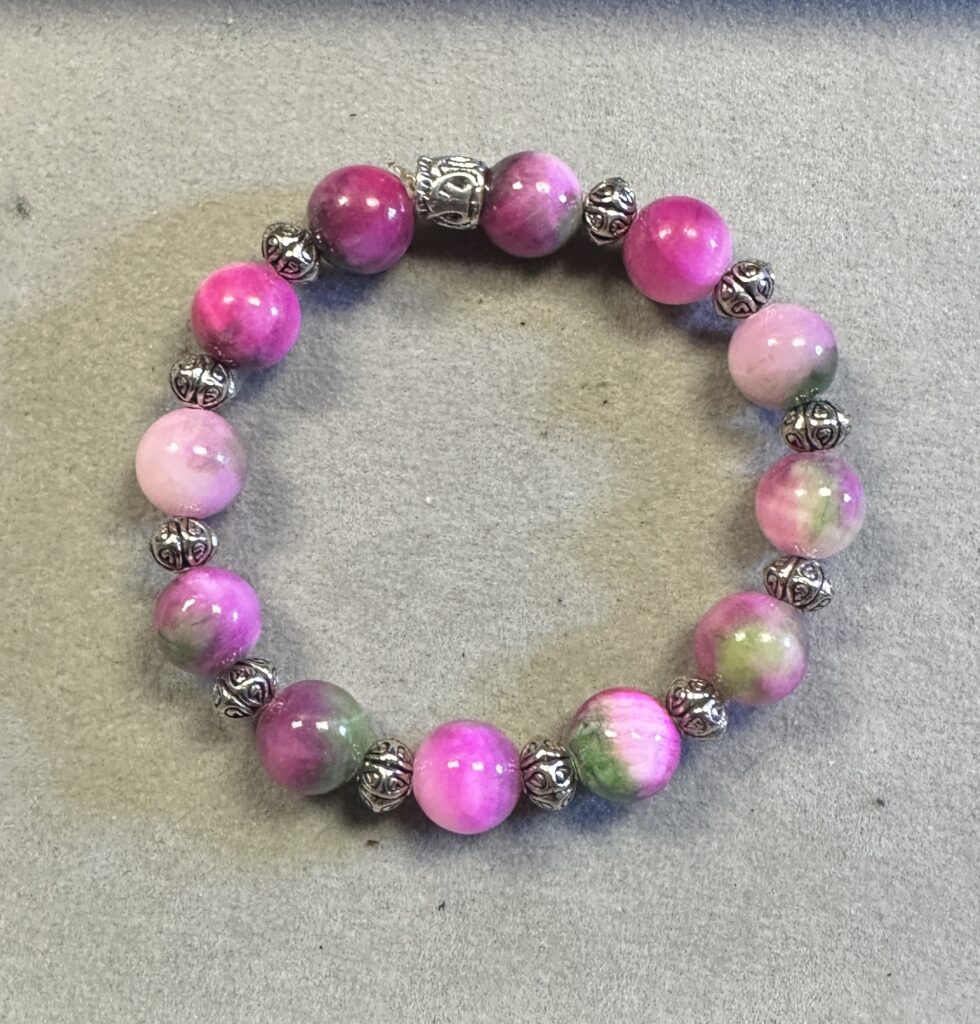
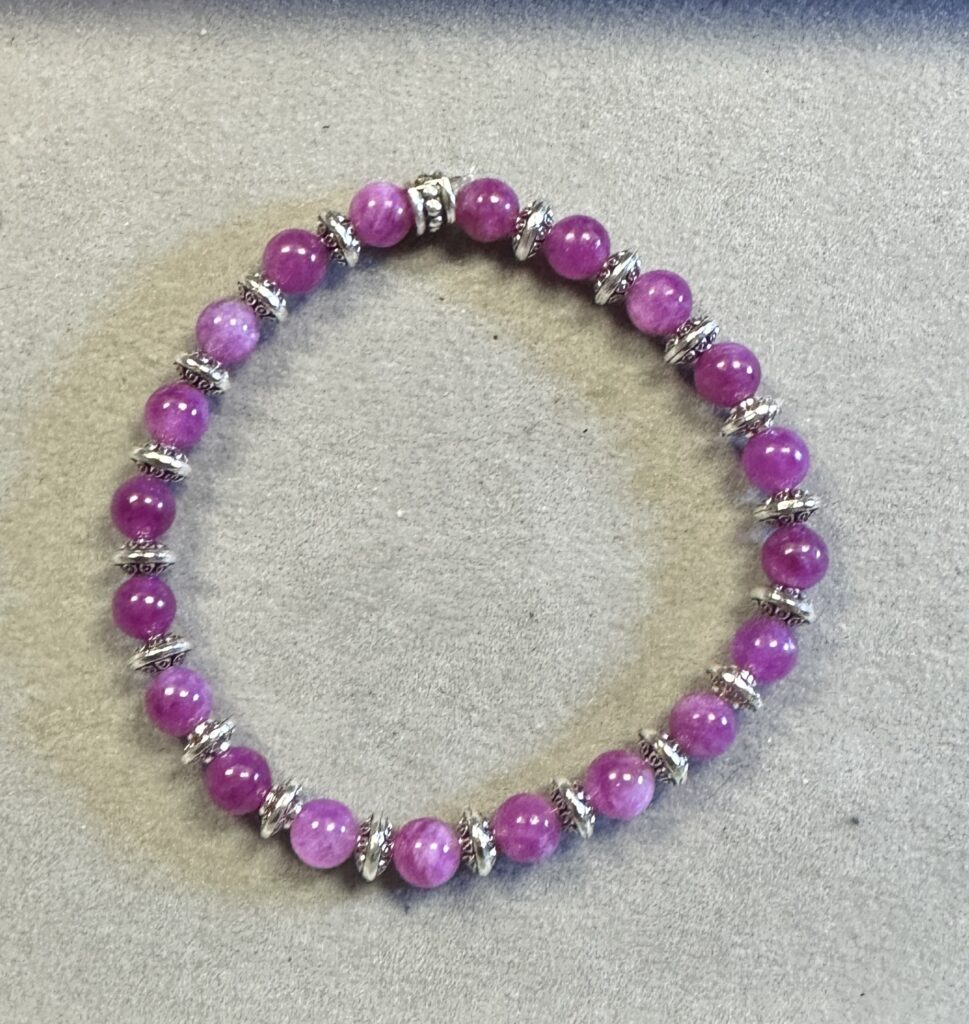
It carries a natural richness without being overpowering. It pairs well with:
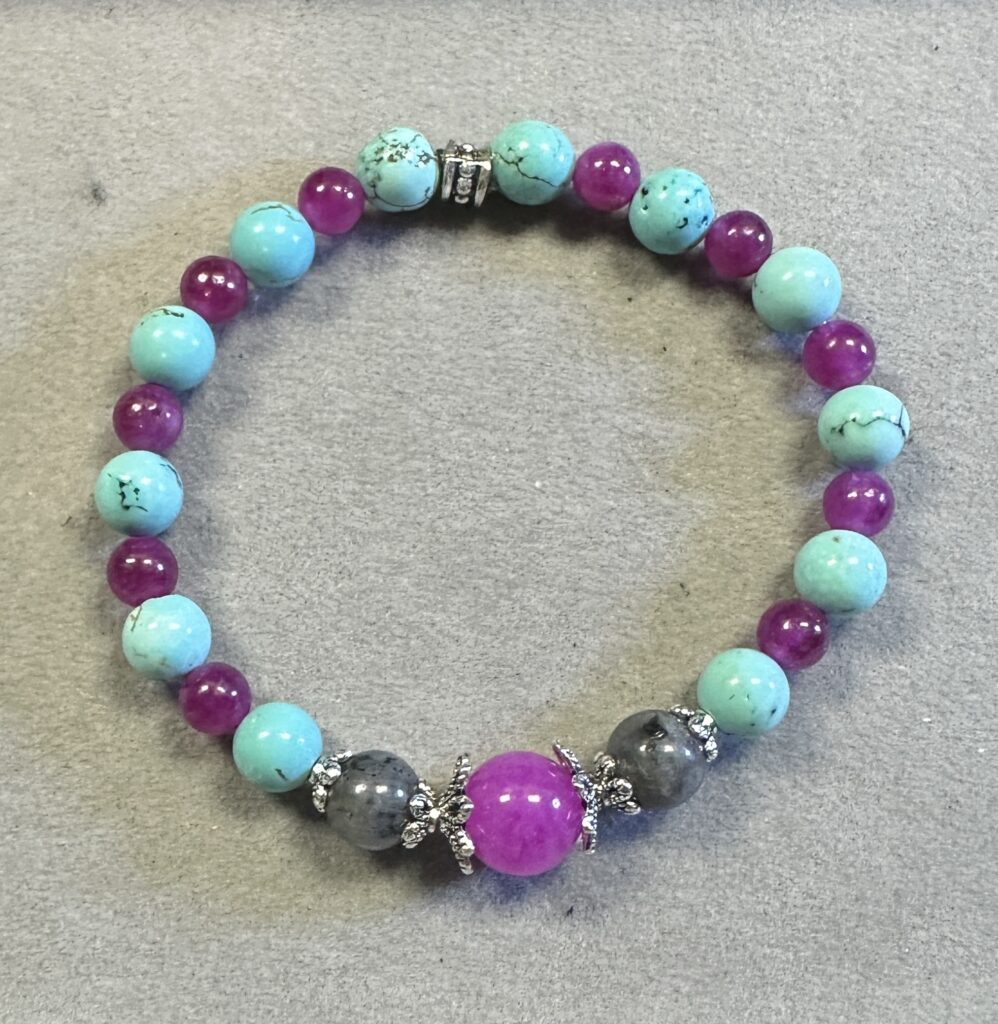
- Black Labradorite
- Tibetan accent beads
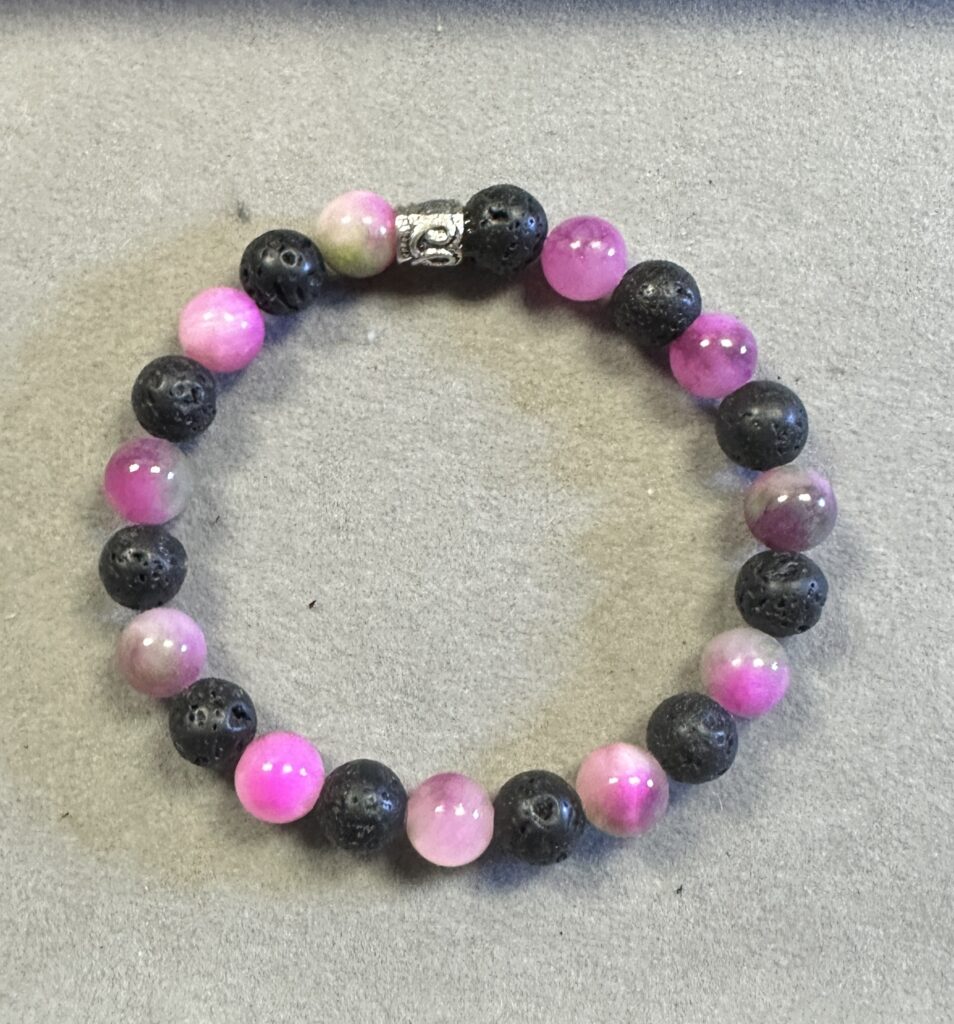
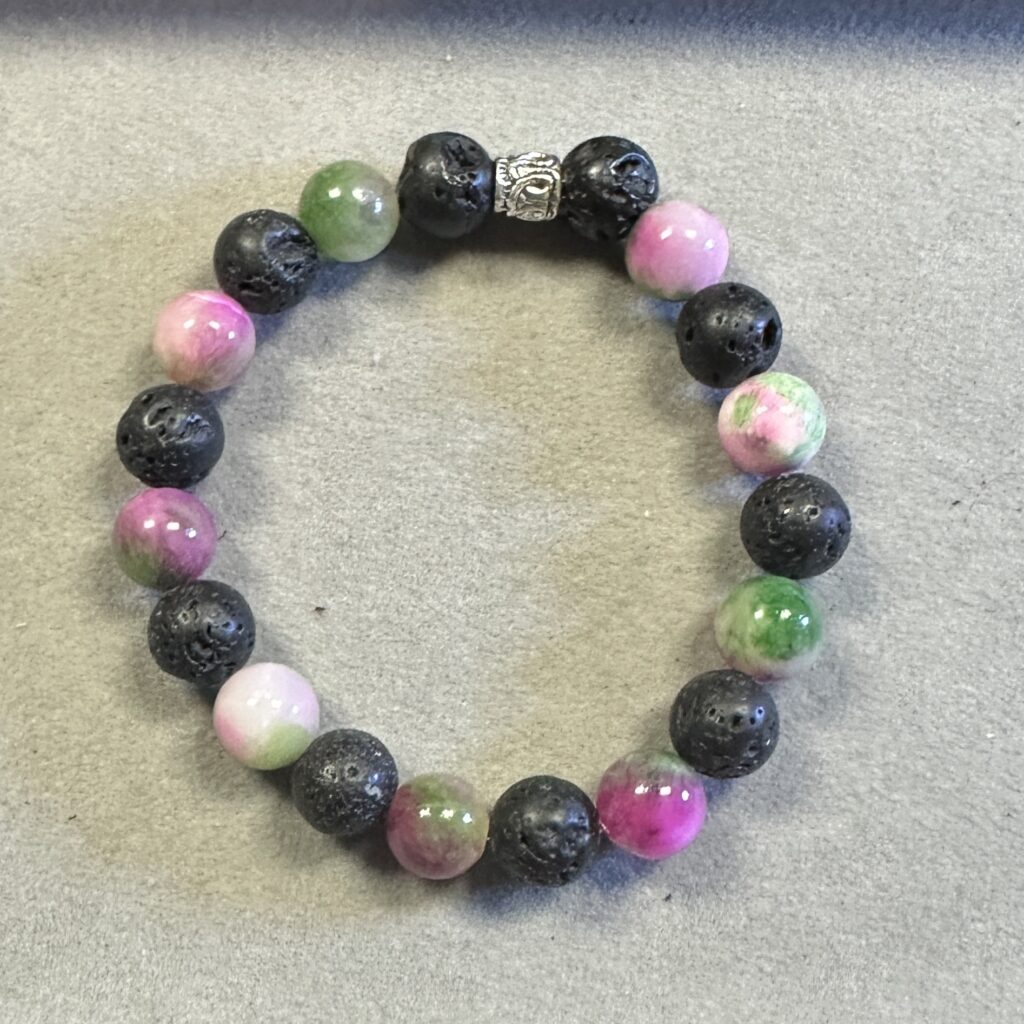
- Lava stone
- Sterling silver spacers
It softens bold combinations and strengthens delicate ones.
In bracelet form, it becomes versatile — strong enough to stand alone, refined enough to stack.
The Meaning Layer (For Those Who Value It)
Many people associate pink tourmaline with:
- Emotional balance
- Compassion
- Calm
- Heart-centered energy
Whether you approach stone from a geological perspective or a symbolic one, it’s hard to deny that certain colors carry emotional resonance.
Pink is warmth.
Pink is connection.
Pink is intention.
About Author