Amethyst: 15 Powerful Benefits, Meaning, and Healing Secrets You Must Know
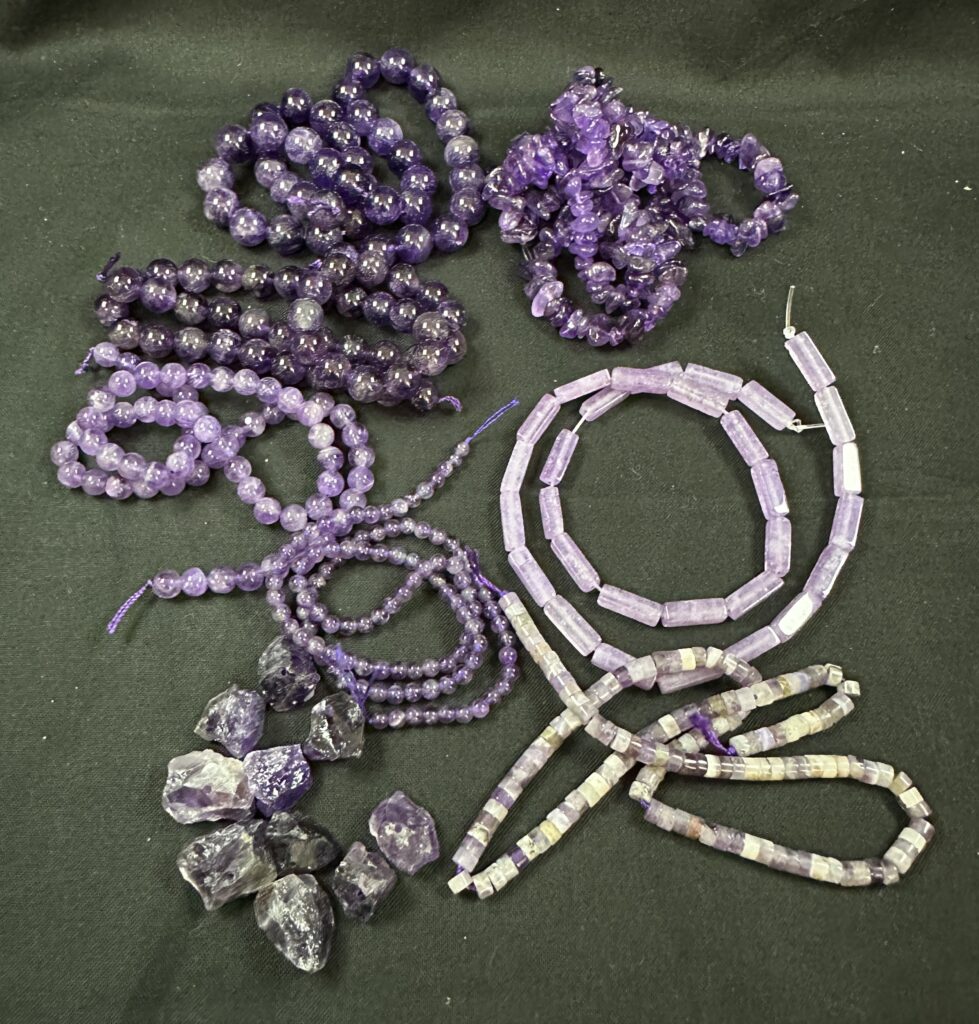
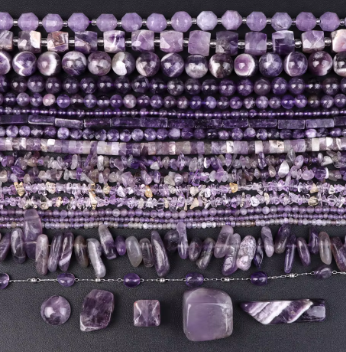
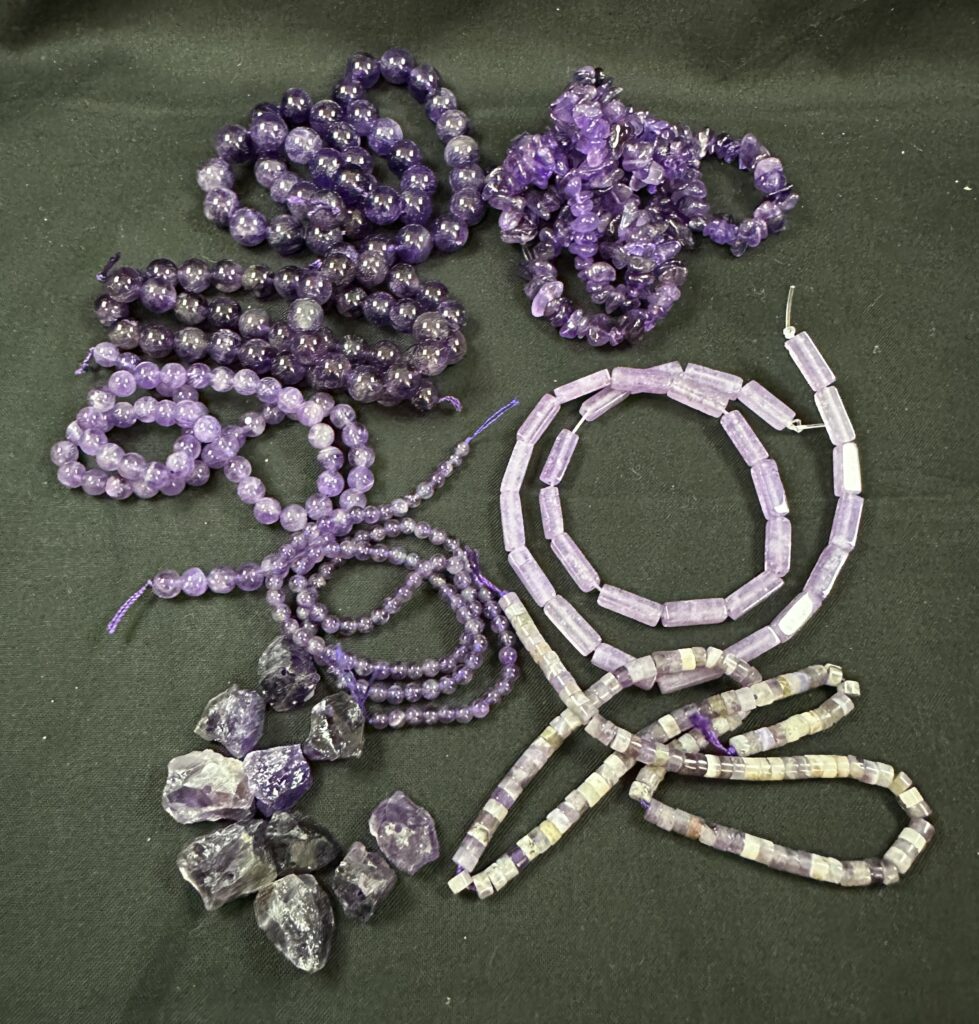
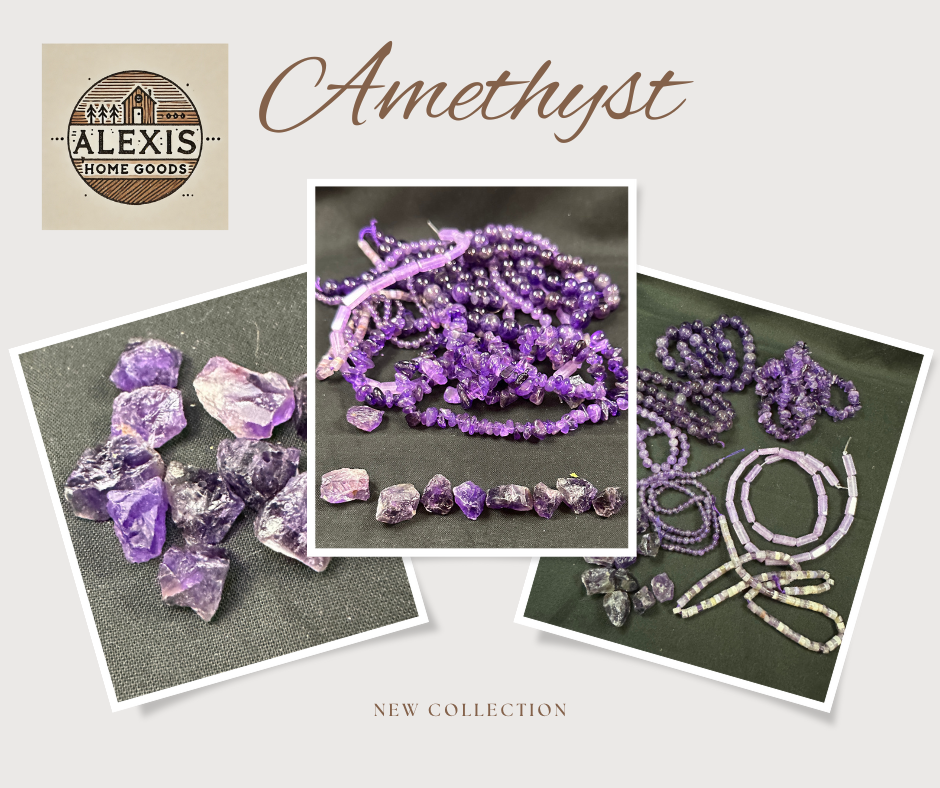
Amethyst in multiple forms — raw crystal, polished round beads, faceted beads, and tube cuts — illustrating natural variation documented in the Stone Library.
Introduction to Amethyst
Amethyst is one of the most popular and beloved gemstones in the world. Known for its stunning purple hues and calming energy, Amethyst has fascinated people for thousands of years. From ancient kings to modern crystal enthusiasts, this beautiful stone has earned a special place in history.
But what makes Amethyst so special? Is it just its rich color, or is there something deeper behind its charm?
In this complete guide, we’ll explore everything you need to know about Amethyst — its history, meaning, healing benefits, uses, and much more. Whether you’re a crystal lover, a jewelry enthusiast, or simply curious, you’re in the right place.
Click here to see our Jewelry Collection!
The Historical Significance of Amethyst
Ancient Greek Beliefs and Legends
The name Amethyst comes from the Greek word “amethystos,” meaning “not intoxicated.” Ancient Greeks believed the stone could protect them from drunkenness. They even carved drinking cups from Amethyst, thinking it would keep their minds clear.
According to mythology, the god Dionysus turned a maiden named Amethyst into crystal to protect her. Later, he poured wine over the crystal in regret, staining it purple. This legend explains the gemstone’s iconic color.
Amethyst in Medieval Europe
During the Middle Ages, Amethyst symbolized piety and celibacy. Bishops often wore Amethyst rings as a sign of spiritual wisdom and purity. It was believed to protect against evil thoughts and dark forces.
Royal Connections and Symbolism
Amethyst has long been associated with royalty. British crown jewels and royal collections across Europe feature this gemstone. Purple was historically expensive and rare, making it a color of power and status.
Geological Formation of Amethyst
How Amethyst Crystals Form
Amethyst is a variety of quartz. It forms inside volcanic rocks when gas bubbles become trapped in lava. Over time, mineral-rich water flows into these cavities. As the water cools, quartz crystals grow layer by layer.
The purple color comes from iron impurities combined with natural radiation over millions of years.
Major Mining Locations Around the World
Today, Amethyst is found in several countries, including:
- Brazil
- Uruguay
- Zambia
- Russia
- United States
- Canada
Brazil and Uruguay are among the largest producers, known for their deep, vibrant purple stones.
Physical Characteristics of Amethyst
Color Variations and Clarity
Amethyst ranges in color from pale lavender to deep violet. The most valuable stones typically have a rich, even purple tone with flashes of red or blue.
Some varieties show color zoning, where shades vary within the crystal. Others may appear almost transparent.
Hardness and Durability
Amethyst ranks 7 on the Mohs hardness scale. This makes it durable enough for everyday jewelry like rings, necklaces, and bracelets.
However, prolonged sunlight can cause fading, so proper care is essential.
Spiritual Meaning of Amethyst
Connection to the Crown Chakra
In spiritual traditions, Amethyst is linked to the crown chakra, located at the top of the head. This chakra is associated with wisdom, higher consciousness, and spiritual awareness.
Many believe Amethyst helps open the mind to clarity and deeper understanding.
Symbol of Protection and Purification
Amethyst is often called a “stone of protection.” It’s believed to:
- Shield against negative energy
- Promote inner peace
- Encourage spiritual growth
- Cleanse emotional blockages
Because of these qualities, it’s widely used in meditation and energy healing practices.
Healing Properties of Amethyst
Emotional Healing Benefits
Many crystal users turn to Amethyst for emotional balance. It’s believed to:
- Reduce stress and anxiety
- Calm anger and frustration
- Support emotional stability
- Encourage compassion
Its soothing energy is often described as gentle yet powerful.
Physical Healing Associations
While not scientifically proven, traditional beliefs suggest Amethyst may support:
- Headache relief
- Better sleep
- Improved immune response
- Hormonal balance
It has been used in alternative healing for centuries.
Mental Clarity and Focus
Students and professionals alike use Amethyst to improve concentration. It’s thought to clear mental fog and enhance decision-making.
Place a small stone on your desk, and you might just feel a boost in focus.
Amethyst in Meditation and Mindfulness
Meditation with Amethyst can deepen your practice. Hold the stone in your hand or place it on your forehead while meditating.
Many people report:
- Deeper relaxation
- Clearer intuition
- Stronger spiritual connection
- Reduced racing thoughts
Its calming vibration makes it ideal for beginners and experienced meditators alike.
How to Use Amethyst in Daily Life
Jewelry and Personal Wear
Wearing Amethyst jewelry keeps its energy close to your body. Popular options include:
- Rings
- Necklaces
- Bracelets
- Earrings
Because of its durability, it works well in daily accessories.
Home and Office Placement
Place Amethyst clusters in your home to promote peace and harmony. In offices, it may help create a calm and focused atmosphere.
Sleep and Relaxation
Many people keep Amethyst under their pillow or beside their bed. It’s believed to promote restful sleep and reduce nightmares.
Amethyst in Feng Shui
In Feng Shui, Amethyst is used to attract positive energy and balance emotions. It’s commonly placed in:
- The wealth corner of a home
- Meditation spaces
- Living rooms for harmony
Its energy is said to cleanse negative vibrations and encourage prosperity.
Caring for Your Amethyst
Cleaning and Charging Methods
To cleanse Amethyst:
- Rinse under lukewarm water
- Smudge with sage
- Place under moonlight
Avoid prolonged sunlight exposure.
Storage and Maintenance
Store Amethyst separately to prevent scratches. Keep it away from extreme heat and harsh chemicals.
Types of Amethyst
Chevron Amethyst
Chevron Amethyst features white quartz bands in V-shaped patterns. It combines the properties of both quartz and Amethyst.
Amethyst Geodes
Geodes are hollow rocks lined with sparkling crystals. They make stunning decorative pieces.
Siberian Amethyst
Siberian Amethyst is known for its deep purple color with red flashes. It is considered one of the highest-quality varieties.
Amethyst vs. Other Purple Gemstones
Amethyst is often compared to:
- Purple sapphire
- Fluorite
- Tanzanite
However, Amethyst remains one of the most affordable and widely available purple gemstones.
For more information on mineral properties, you can visit the reputable resource at the Gemological Institute of America (https://www.gia.edu/).
Buying Guide: How to Choose Quality Amethyst
When purchasing Amethyst, consider:
- Color: Rich, even purple is most valuable.
- Clarity: Fewer inclusions increase value.
- Cut: Good symmetry enhances sparkle.
- Origin: Some buyers prefer stones from specific regions.
Check out our Shop! Hundreds of Handmade items. (https://www.marcusgeiser.com/shop/ )
FAQs About Amethyst
1. Is Amethyst a birthstone?
Yes, Amethyst is the birthstone for February.
2. Can Amethyst go in water?
Short exposure is generally safe, but prolonged soaking is not recommended.
3. Does Amethyst fade in sunlight?
Yes, extended sun exposure can cause fading.
4. Is Amethyst expensive?
Compared to many gemstones, it is relatively affordable.
5. How do I activate Amethyst?
Many people cleanse it with moonlight or meditation intention.
6. Can I wear Amethyst every day?
Yes, due to its durability, it’s suitable for daily wear.
Conclusion
Amethyst is far more than just a beautiful purple gemstone. With its rich history, spiritual meaning, and calming energy, it continues to captivate people worldwide. From ancient legends to modern healing practices, Amethyst remains a symbol of clarity, protection, and inner peace.
Whether you wear it as jewelry, meditate with it, or display it in your home, Amethyst offers both beauty and depth. Its timeless appeal proves that sometimes, the most powerful things come in the most elegant forms.
About Author