Phase One of The Duplex Project: Foundation Repair, Structural Framing, and Drying the Building In
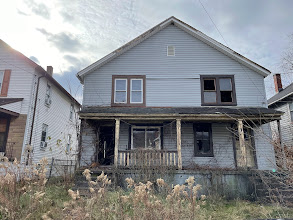
Duplex Project for GEiser Home Buyers
The Duplex Project
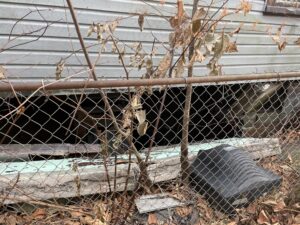
The first phase of The Duplex Project is where everything either goes right—or goes very wrong if shortcuts are taken. Starting with a solid foundation allows everything else to be made plumb, sqaure, and level. This project will require extensive excavation and rebuilding of the foundation wall.
Before finishes, systems, or design decisions can even be discussed, the building has to be structurally sound, weather-tight, and ready to accept new systems. This phase focuses on exactly that: repairing the foundation, correcting structural framing issues, and fully drying the building in using modern materials.
If you haven’t yet, you can read the full project overview here:
👉 The Duplex Project – Complete Overview https://www.marcusgeiser.com/duplex-project/
Why the Foundation Comes First
This duplex had clear foundation concerns that could not be ignored. Over time, soil pressure, water infiltration, and age had compromised sections of the foundation wall. These issues aren’t uncommon in older housing stock, but they must be addressed correctly—especially in a property undergoing a full gut renovation.
Foundation Scope of Work
The foundation phase includes:
- Excavation along affected foundation walls
- Evaluation of existing masonry and load paths
- Installation of Footer
- Rebuilding and reinforcing compromised sections
- Proper backfilling and drainage considerations
This work is being approached with the mindset that everything above depends on everything below. No framing or systems work proceeds until the foundation is stabilized.
Open Considerations
Even at this early stage, there are multiple valid approaches:
- Traditional masonry repair vs. reinforced rebuild
- Partial repair vs. full section replacement
- Drainage improvements during excavation
- Making accomadations for framing repairs
Each option carries different cost, longevity, and performance implications, which is why these decisions are documented and evaluated openly. More importanlty we have to weigh the desires of the contractor who wil conduct the reapir to be responsible for the materials and methods. We need an attractive end product. More importanly it has to meet code.
Structural Framing: Correcting the Skeleton
Once the foundation is stabilized, attention turns to the building’s structural framing. In this duplex, framing corrections are necessary to address:
- Load distribution issues
- Wall and floor alignment
- Areas compromised by previous deterioration
- Hole in the roof
- Sagging Exterio wall
This phase ensures that the structure is not just standing—but standing correctly.
Framing Scope of Work
- Structural framing repairs and corrections
- Reinforcement of load-bearing elements with a second 2×4 interior load bearing wall to assit in coorecting the sagging.
- Preparation for exterior sheathing or building product,
- Aligning the building for modern finishes and systems
By the end of this phase, the building’s “skeleton” is solid, square, and ready to be enclosed.
Sheathing the Roof: Closing in the Structure
With framing complete, the next priority is protecting the structure from the elements. Roof sheathing is a critical step that allows the project to transition from structural work to systems work.
Roof Sheathing and Underlayment
The roof is being:
- Fully sheeted to create a continuous surface
- Covered with synthetic underlayment, a modern roofing paper designed for durability, tear resistance, and weather protection
- It offers 6 month UV protection and give us enough time to make a decision about roofing.
This creates a temporary but robust weather barrier, allowing interior work to proceed safely.
Drying the Building In: Tyvek House Wrap
At the same time the roof is being protected, the exterior walls are wrapped using Tyvek (or equivalent) house wrap.
This step:
- Prevents bulk water intrusion
- Allows vapor to escape
- Protects framing and sheathing
- Prepares the structure for window and door installation
Drying the building in marks a major milestone. At this point, the duplex transitions from a vulnerable structure into a controlled environment suitable for mechanical systems and interior build-out.
Why This Phase Matters More Than It Looks
From the outside, foundation repairs, framing corrections, roof sheathing, and house wrap may not look exciting—but they determine the success of the entire project.
Mistakes here show up later as:
- Cracked drywall
- Uneven floors
- Moisture problems
- Premature system failure
Doing this work carefully and transparently is the difference between a renovation that lasts and one that simply looks good for a few years.
Keeping Options Open (By Design)
Throughout Phase One, material choices and methods remain open for discussion and evaluation. This is intentional.
Leaving decisions flexible allows for:
- Better performance outcomes
- Adaptation to real-world conditions
- Input from experienced professionals
- Alignment with long-term durability goals
- Increased Sqaure Footage
This same philosophy will continue through every phase of The Duplex Project.
What Comes Next
With the building stabilized, framed, and dried in, the project will move into:
- Windows and exterior doors
- Mechanical systems (plumbing, electrical, HVAC)
- Interior build-out
Each phase will be documented with the same level of detail and transparency.
To follow the full scope of the project and see how these early decisions fit into the bigger picture, visit:
👉 The Duplex Project – Complete Overviewhttps://www.marcusgeiser.com/duplex-project/
Final Note
Follow along as our next post will further explore the renovation plan for the The Duplex Project. I am working out the details of the foundation repair and button up. As soon as weather permits we will be getting this one started.
About Author